
Life is full of tasks and deadlines that barely leave time to relax. It might seem impossible to find calm amid this chaos. Yet, mindfulness offers a straightforward escape, emphasising the present moment to dial down stress and anxiety. It is about breathing in the chaos, so we can face our days with a clear head.
The value of mindfulness extends beyond its current popularity, supported by scientific studies that confirm its benefits. Research shows it can lessen anxiety, improve sleep, and even lower blood pressure. It is not just about achieving a temporary peace. It's about developing a lasting sense of well-being that supports both our mental and physical health.
What is Mindfulness?
Mindfulness is like having a superpower that lets you zoom in on the here and now, turning off the world's noise so you can chill and really see, feel, and appreciate what is happening around you. It is not about emptying your mind or hitting some Zen mode. It is more about being fully present and engaged with whatever you are doing, without getting lost in worries about the future or replays of the past. You can think of it as a mental pause button that lets you breathe in life's constant motion, making you more aware of your thoughts, feelings, and surroundings without getting caught up in them.
Benefits of Mindfulness for Mental Health
When we talk about how mindfulness helps with mental health, we are really getting into the good stuff it does for our minds. Practising mindfulness regularly can seriously help with lowering stress, calming anxiety, and keeping depression at bay. It is like giving your brain a chill pill, helping you to acknowledge your thoughts and feelings without getting swept away by them. Here is how mindfulness does its magic:
- CHILLS YOU OUT: Doing mindfulness stuff can help bring down stress by reducing how much of the stress hormone (cortisol) your body makes. It is like telling your body, ?Hey, let?s take it easy,? even when things are nuts.
- KEEPS ANXIETY IN CHECK: Making mindfulness a habit can change how your brain deals with anxiety. It is like training your brain to take a step back and say, ?I got this,? instead of freaking out.
- FIGHTS OFF SAD VIBES: Mindfulness helps you stop that loop of negative thoughts that can make you feel down. Think of it as a way to hit pause on the not-so-great thoughts so you can enjoy the now.
- BOOSTS FOCUS: Yep, mindfulness can also make it easier for you to stick with what you are doing without your mind wandering off. It is like your brain gets better at not getting distracted.
- MAKES YOU BOUNCE BACK QUICKER: Getting into mindfulness means you get better at handling your emotions. It is not that you won?t feel down or upset, but you will find it easier to get back up.
Mindfulness and Physical Well-being

The benefits of mindfulness extend far beyond mental health. It has a tangible effect on our physical well-being as well. Research suggests that mindfulness can help reduce chronic pain, improve sleep quality, and promote a healthier lifestyle. By learning to listen to our bodies and respond with kindness and care, we can enhance our physical health in numerous ways.
- Chronic Pain Management: Mindfulness helps in altering our perception of pain, making it more manageable.
- Improved Sleep: Mindfulness practices before bed can lead to better sleep quality.
- Enhanced Overall Health: Regular mindfulness practice is linked with lower blood pressure and improved immune function.
Enhancing Emotional Intelligence Through Mindfulness
Mindfulness does more than just help us cope with the day-to-day stresses of life. It also plays a crucial role in enhancing our emotional intelligence. Emotional intelligence, the ability to understand and manage our emotions and those of others, is crucial for personal and professional success. Mindfulness enhances self-awareness by enticing individuals to observe their thoughts and emotions without judging them. This heightened awareness leads to better self-regulation, allowing us to respond to situations with clarity and empathy rather than reacting impulsively.
Additionally, mindfulness practices cultivate empathy. As we become more connected to our inner experiences, we naturally develop a deeper understanding and compassion for the experiences of others. This not only improves our relationships but also improves our ability to navigate complex social situations with grace and understanding.
Basic Mindfulness Exercises for Beginners
Starting with mindfulness might seem daunting, but it's really about simple practices that can be seamlessly integrated into your daily life. Here are some basic exercises to help you begin your mindfulness journey:
- MINDFUL BREATHING: This involves paying attention to your breath as it comes in and out. You don't need to change the way you're breathing; just observe it. Notice the sensation in your nostrils, your chest, or your belly as you breathe.
- BODY SCAN: Lie down and mentally scan your body from head to toe. Notice any areas of tension or discomfort. Don't try to change anything; simply be aware of your body and how it feels.
- MINDFUL OBSERVATION: Choose an object from your surroundings and focus on it for a minute or two. This could be a flower, a candle flame, or even a piece of art. Notice every detail about it, from its colours and shapes to its texture and the way it interacts with the light.
- LISTENING WITH ATTENTION: Find a quiet spot, close your eyes, and just listen. Notice all the sounds around you, from close ones to those far away. Do not think about them too much. Just let your ears take in everything. It's like being an audience to the world's soundtrack.
- MINDFUL EATING: Pick a snack and focus on it. Check out its looks, smell it, and then eat it slowly. Notice how it tastes and feels as you chew. Enjoy every bit of it like you are discovering it for the first time.
Mindfulness Meditation Practices
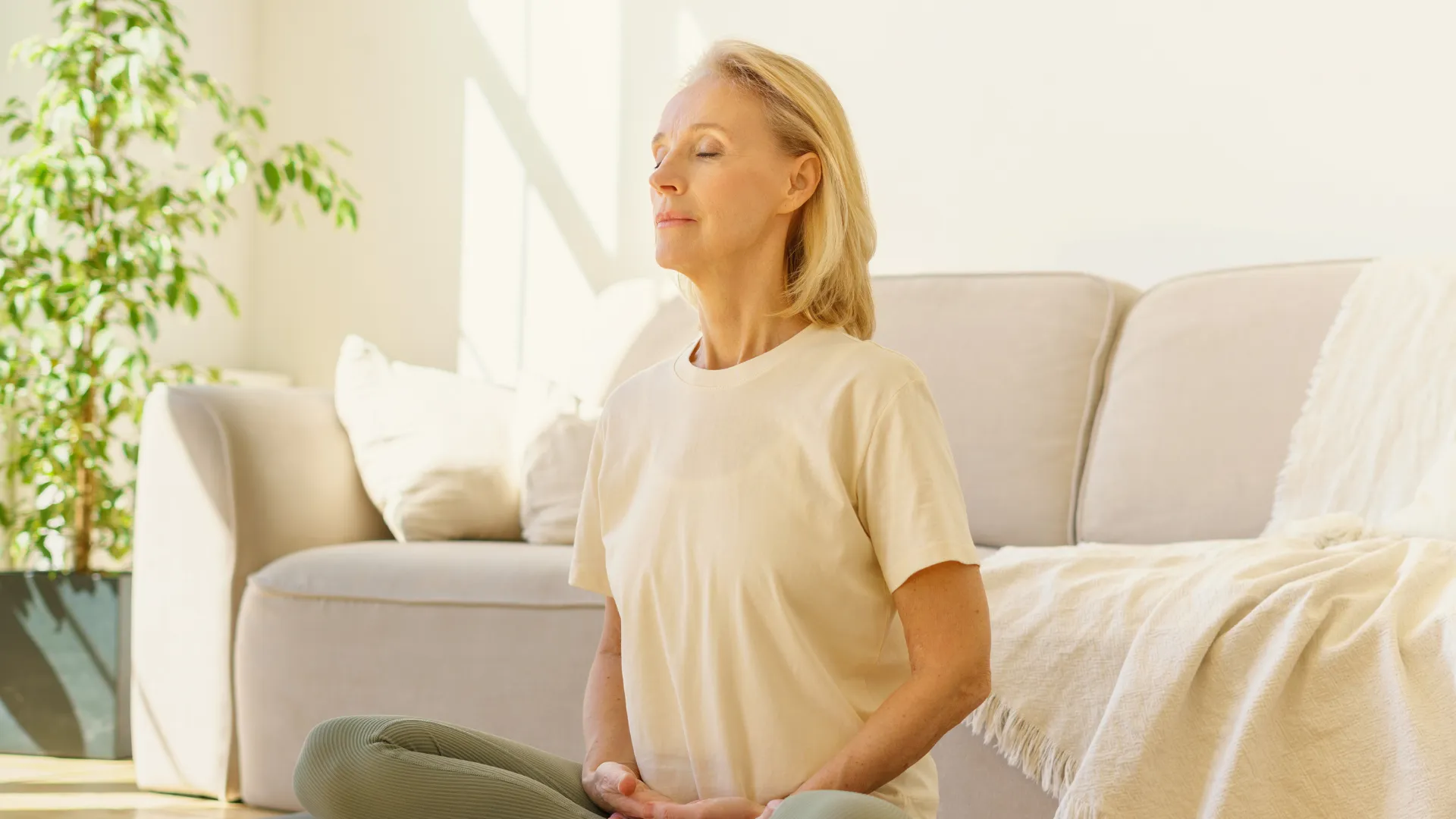
Mindfulness meditation is a practice that deepens our ability to be fully present and aware. Here are a couple of techniques to explore:
- Sitting Meditation: Find a quiet place to sit comfortably. Close your eyes and focus on your breath, or on a word or phrase that you repeat silently. When your mind wanders, gently bring your attention back to your breath or mantra.
- Loving-kindness Meditation: This practice involves silently repeating phrases that offer goodwill and kindness towards yourself and others. It can help foster a sense of compassion and reduce negative emotions.
Overcoming Challenges in Mindfulness Practice
Starting and maintaining a mindfulness practice comes with its own set of challenges. Here?s how to navigate some common obstacles:
- Finding time for practice can be difficult, but remember, even a few minutes can make a difference. Try integrating short practices into your daily routine.
- Distractions are normal. When you notice your mind wandering, gently bring your focus back without judgement.
- Building a habit takes time. Be patient with yourself and try to be consistent with your practice, even if it's just for a short period each day.
FAQs
How long should I practise mindfulness each day?
Even a few minutes of mindfulness can be beneficial. Start with what feels manageable for you, and you can always increase the time as you become more comfortable with the practice.
Can mindfulness be practised without meditation?
Yes, mindfulness is about being fully present in the moment, which can be practised through everyday activities like eating, walking, or simply breathing.
What are the signs that mindfulness is working?
You might notice reduced stress, better focus, and an increased sense of calm and well-being.
How can mindfulness improve my work life?
Mindfulness can improve one's concentration, creativity, and emotional intelligence, leading to improved communication and decision-making.
Does mindfulness enhance creativity?
Yes, by developing a state of open, non-judgmental awareness, mindfulness can create a conducive environment for creative thoughts to emerge.
Can I practise mindfulness without meditation?
Absolutely! Mindfulness is an approach to life that can be integrated into daily activities, not just a seated meditation practice.